
Conditions treated
Spinal infection.
A spinal infection is a bacterial or fungal infection in your spine. Spine infections can have serious consequences and require prompt, effective treatment.
Overview
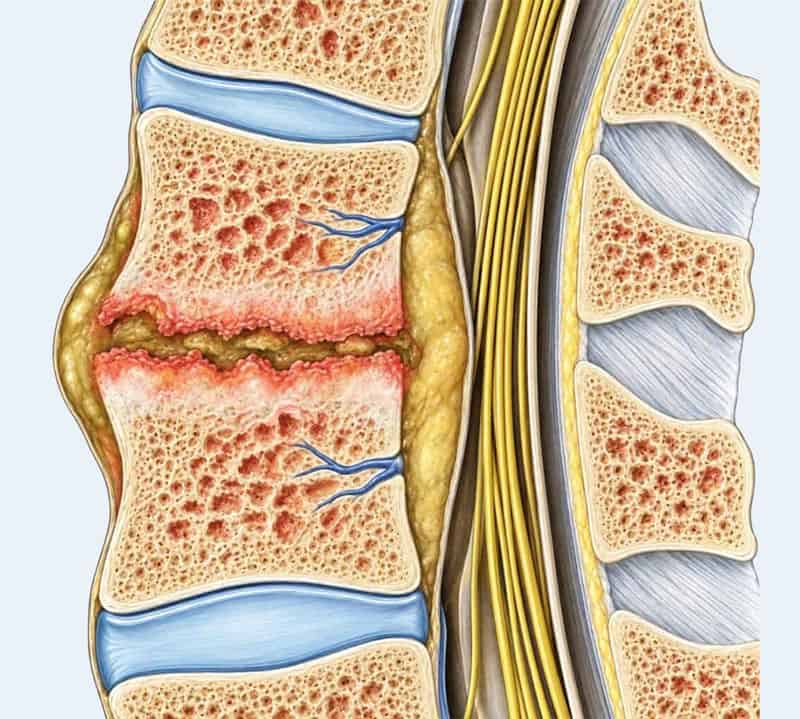
Where spinal infections occur.
The infection may have started in another part of your body and been carried to your spine through the bloodstream, or it may have started in your spine in the days or months after surgery. The most common sources are Staphylococcus aureus and Escherichia coli, though organisms range from common bacteria to rare fungal infections and tuberculosis.
Vertebral column
Prone to an infection known as vertebral osteomyelitis.
Intervertebral disc space
Prone to an infection known as discitis.
Spinal canal
Where an epidural abscess may form and press on the nerves.
Nearby soft tissues
Infection can also involve the muscles and tissues surrounding the spine.
Symptoms
What are the symptoms?
Spinal infections may start slowly with symptoms that could be put down to many other causes, and symptoms vary considerably between patients. Some people experience no early symptoms at all and are not aware of the infection until it reaches an advanced stage. Symptoms may include:
- Tenderness in your neck or back
- Pain that worsens with movement
- Stiffness in your neck
- Fever and chills
- Swelling or redness
- Unexplained weight loss
- Back pain that becomes severe and limits your mobility
Seek urgent medical attention if you develop bladder or bowel incontinence, or weakness, numbness or tingling in your arms and legs.
Risk factors
Who is at risk of a spinal infection?
You are more at risk if you are elderly, have an underlying medical condition that compromises your immune system, or if you have had a lengthy surgery.
Compromised immunity
Intravenous drug use, HIV infection, long-term systemic steroid use, diabetes mellitus, organ transplantation, malnutrition and cancer can all compromise the immune system.
Surgery
Though we take many precautions, infections still occur in 1-4% of patients — especially where surgery has taken a long time, the patient has lost a lot of blood, implants have been used, or there have been several operations at the same site.
Diagnosis and treatment
Notoriously difficult to diagnose.
Spinal infections are notoriously difficult to diagnose and are therefore often missed in the early stage. Your doctor should take a careful history, perform a physical exam and order appropriate diagnostic investigations to determine the extent of infection and identify the organism causing it.
Treatment aims to eradicate the infection, preserve or restore neurological function, maintain spinal stability and control pain. Non-surgical treatment may require an extended hospital stay involving long-term intravenous antibiotic or antifungal therapy for at least 6-8 weeks, and immobilisation if you are in significant pain or your spine is unstable.
Surgery
Who needs surgery?
Surgery may be recommended to drain an abscess putting pressure on the nerves in the canal (epidural abscess) or if the infection compromises the stability of your spine.
An unchecked infection can destroy spinal bone, ligaments and discs. It can also compromise your spine stability, creating a risk of deformity, fracture and dislocation, which can lead to neurological injury to the spinal cord or nerve roots. The extent of damage can be evaluated by clinical examination supplemented with X-ray, CT and MRI.
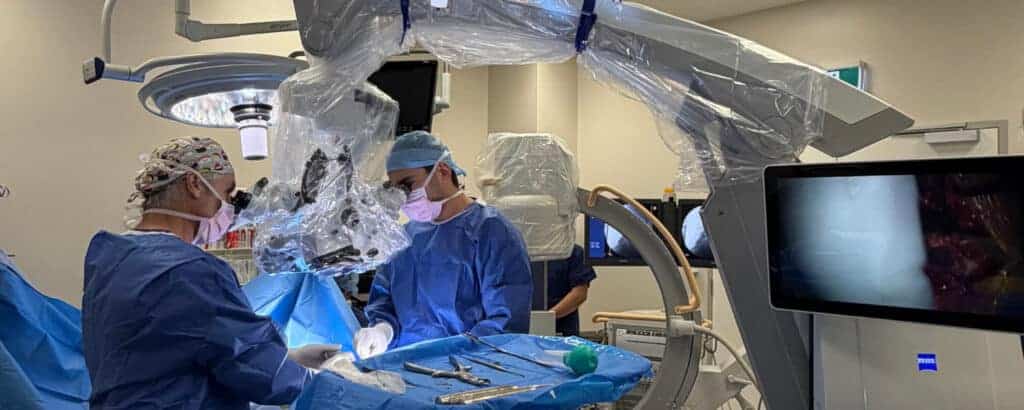
If your spine is unstable, or at risk of becoming so, your surgeon may operate to drain the infection and reconstruct and stabilise your spinal column. Tissue specimens will be sent for microbiological examination to identify which fungus or bacteria is behind the infection so that the right treatment can start.
Post-operative infection
Sometimes infection occurs after surgery or other procedures on the spine. If there are implants it is often necessary to wash out the wound and gain specimens for culture. Antibiotic therapy can be directed specifically at any organisms grown, but may need to be prolonged to suppress the infection. In certain circumstances implants are removed if they are no longer required for spinal stability.
Living with back, neck or joint pain?
Dr David Edis and the team at Victorian Orthopaedic Spine Service will assess your symptoms, explain your diagnosis and recommend the treatment that best suits you.
Get in touch
Contact our rooms.
Our reception team will help you arrange a consultation, answer questions about your referral and let you know what to bring on the day.
Reception hours: Monday to Thursday 9am–4.30pm, Friday 9am–2pm
Response time: within 1–2 business days
Preparing for your appointment →
Referrals
A current GP or specialist referral is required.
Request a consultation
Send us your details and our reception team will be in touch. We aim to reply within 1–2 business days. Fields marked with an asterisk (*) are required.
All information is general in nature. Patients should consider their own personal circumstances and seek a second opinion. Any surgical or invasive procedure carries risks.